Open resources from our programmes and events — built for leaders who want to act, not just read.
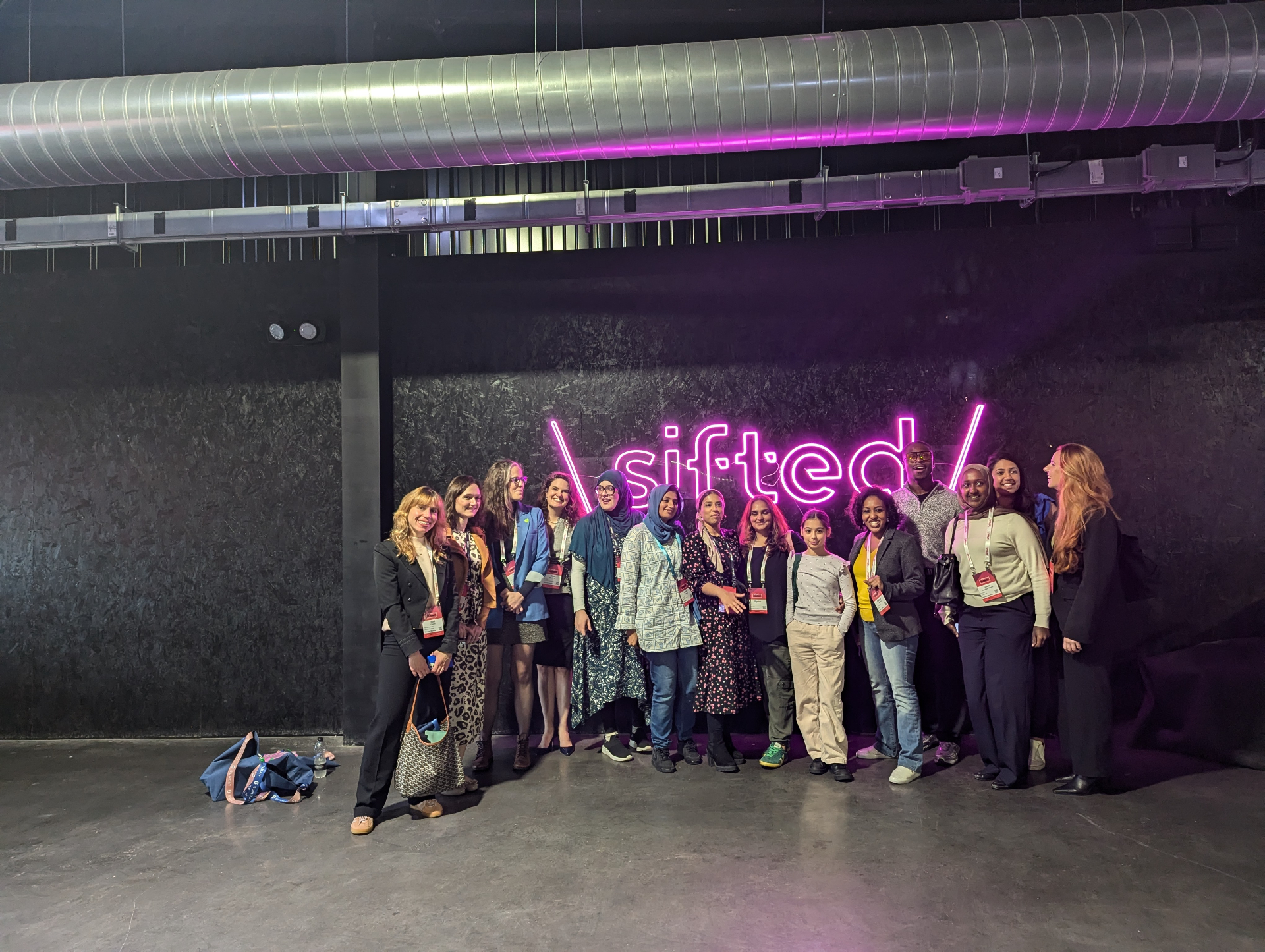
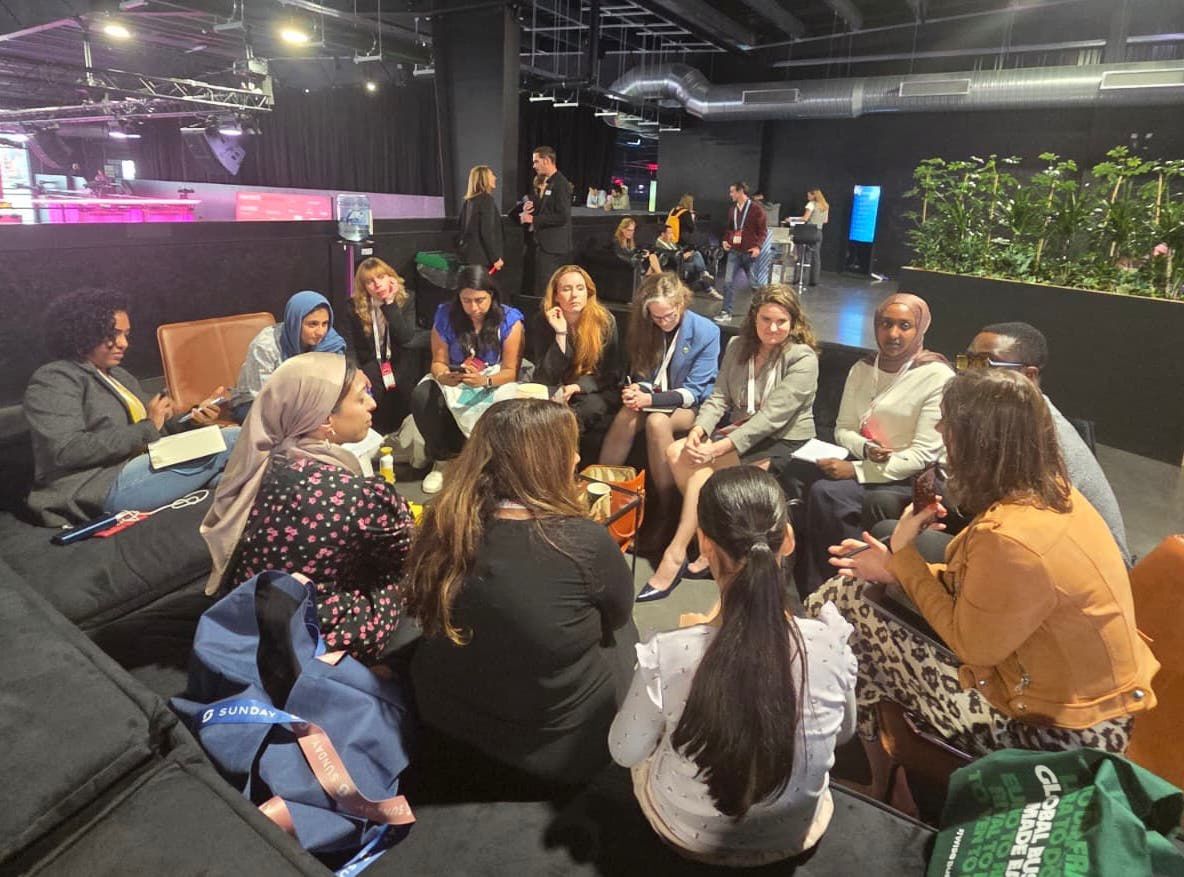
Founders, educators, consultants and community leaders convened to address one question: how do we make sure underrepresented communities actively participate in — rather than passively observe — the AI revolution?
Minority communities show lower trust in AI, shaped by experience of biased technology. "If you choose not to use AI because of fear or distrust, you're not taking an ethical stand — you're risking being left further behind."
Faith-based and community spaces — mosques, youth centres, women's groups — are trusted environments for AI literacy. "Even before AI, we failed to close the digital skills divide. AI is our chance to do it differently."
Organisations that give teams dedicated AI exploration budgets see higher adoption. "Let AI take the boring tasks — use your time for the creative, human work you actually enjoy."
AI has lowered technical barriers for minority founders — but systemic support still matters. "Representation is just the start. We also need systems that support people once they get in."
Neurodiverse users report AI as transformative for focus and information processing. "AI helps me learn my way. For neurodiverse minds, it's a superpower — not a threat."
Individuals: build confidence through playful exploration; teach peers. Communities: host workshops in trusted spaces on real problems. Organisations: enable bottom-up experimentation and model senior-level adoption.
Join a programme or bring us in-house — and turn insight into working systems.
Book a Free Consultation